

Managing Public Debt: Malaysia’s Balancing Act
How Malaysia manages its public debt while maintaining economic growth. Covers debt-to-GDP ratios, refinancing strategies, and sustainability measures.
Read MoreUnderstanding how Malaysia allocates its federal budget across defence, education, healthcare, and infrastructure development

Every year, Malaysia’s government faces tough decisions about spending. Where does the money actually go? It’s not random — there’s a deliberate strategy behind each ringgit allocated. Understanding these priorities helps us see what the government values and how it’s trying to shape the nation’s future.
The federal budget isn’t just a number. It’s a reflection of priorities, constraints, and long-term vision. When you understand where money flows, you understand where the country’s heading.
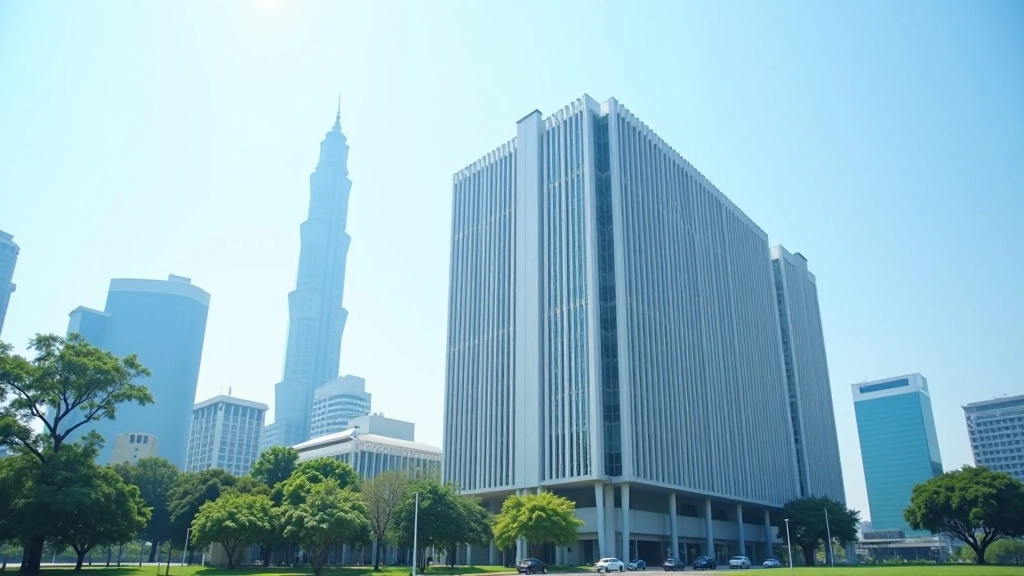
Defence spending consistently takes the largest slice of Malaysia’s budget — around 12-14% of total federal expenditure. That’s roughly RM20 billion annually, and it covers everything from military operations to equipment maintenance and personnel costs.
Here’s what that money actually funds. You’ve got the Royal Malaysian Air Force maintaining combat aircraft, the Navy protecting territorial waters, and the Army running training facilities across the country. It’s not just about hardware — most of the budget goes to salaries for over 100,000 active personnel.
Regional stability matters. Malaysia’s maritime boundaries span significant shipping lanes, and geopolitical tensions in Southeast Asia mean modern defence capabilities aren’t optional. The budget reflects this reality.


Education receives roughly 6-7% of the federal budget — about RM11-12 billion yearly. That covers salaries for 400,000+ teachers, school operations, infrastructure maintenance, and student programmes across 10,000 schools nationwide.
What’s interesting is how the money’s distributed. Primary and secondary education get the bulk because they’re compulsory, but higher education funding has been increasing steadily. Universities need labs, libraries, and research facilities. Technical colleges need modern equipment. The budget reflects this shift toward skills development.
Teacher salaries alone consume about 70% of the education budget. The rest goes to maintenance, student support programmes, and development projects. It’s a significant investment, yet education remains underfunded compared to regional neighbours in terms of per-student spending.
Healthcare gets about 3-4% of the federal budget — roughly RM5-6 billion annually. That might sound modest, but it funds Malaysia’s entire public healthcare system. Clinics, hospitals, medicines, and the salaries of 150,000+ healthcare workers all come from this allocation.
Malaysia’s public healthcare system is one of Southeast Asia’s most efficient. It works because the budget’s strategically deployed. Primary health centres in rural areas cost less to operate but serve critical populations. Tertiary hospitals in urban centres get premium funding because they handle complex cases. It’s a tiered approach that makes sense.
Medicine costs and medical supplies consume significant portions. Then there’s preventive care funding — disease screening programmes, immunisation drives, and health education. The system isn’t perfect, but the budget’s designed to provide basic healthcare access to 34 million people. That’s efficiency in action.


Infrastructure development consumes roughly 8-10% of the federal budget — around RM15-18 billion yearly. This covers roads, rail networks, ports, airports, and water systems. Unlike defence or healthcare, infrastructure spending fluctuates based on project cycles.
Recent allocations have prioritized transport corridors. The East Coast Rail Link, highway expansions, and urban rail systems are transforming how people and goods move. These projects don’t just build infrastructure — they create jobs during construction and boost economic activity long-term.
Water infrastructure’s getting increased attention too. Water security’s becoming critical as demand rises and climate patterns shift. Treating and distributing clean water across urban and rural areas requires continuous investment. It’s unsexy compared to flashy transport projects, but equally essential.
These percentages represent typical federal budget allocation patterns. Actual figures vary year to year based on government priorities, economic conditions, and project timelines.
Here’s what makes budgeting difficult. Debt service — interest payments on government borrowing — consumes 15-18% of the budget. That’s money that can’t be spent on new projects or services. It’s locked in.
Subsidies take another 20-25%. Fuel subsidies, food assistance programmes, and housing support are politically sensitive. Cutting them saves money but affects everyday people. Increasing them strains the budget. It’s a perpetual balancing act.
Then there’s the wage bill. Government employees — from teachers to administrators to maintenance staff — represent a massive fixed cost. You can’t cut salaries without causing real hardship. These mandatory expenses leave less room for discretionary spending.
What’s left for infrastructure, healthcare improvements, or education expansion? That’s where trade-offs become visible. When debt service is high and subsidies are locked in, everything else gets squeezed. It’s why budget priorities matter so much — they reveal what’s actually possible.
Large defence spending reflects regional realities and personnel costs, not necessarily excess. Most money goes to salaries and maintenance, not fancy equipment.
Both sectors provide essential services but receive modest budget shares. This creates quality gaps and resource constraints that affect service delivery.
Modern roads, rail systems, and ports aren’t luxuries — they’re investments that improve productivity and attract business. They matter for economic competitiveness.
Over 40% of the budget goes to debt interest and subsidies. That’s money already committed, leaving less room for new initiatives or urgent needs.
Malaysia’s federal budget isn’t mysterious. It follows logical patterns based on constitutional obligations, political priorities, and economic realities. Defence gets substantial resources because maritime security matters. Education gets moderate funding because it’s compulsory. Infrastructure gets variable funding based on project cycles.
The real story isn’t in any single number — it’s in how money flows across priorities. When you understand this, you understand what the government thinks matters most. You see the constraints it faces. You recognize where trade-offs happen.
Fiscal policy isn’t abstract. It’s about real choices with real consequences. Every percentage point allocated to defence is a percentage point not available for education. Every ringgit spent on subsidies is a ringgit that can’t fund infrastructure. These aren’t mistakes — they’re deliberate decisions reflecting Malaysia’s situation, challenges, and vision for the future.
This article provides educational information about Malaysia’s federal budget allocation patterns and fiscal policy. The budget figures and percentages represent typical allocations based on recent historical data and are subject to change. Budget composition varies year to year based on government priorities, economic conditions, and policy changes.
This content is informational and intended to help readers understand how government budgets work. It’s not financial advice, policy recommendation, or criticism of specific spending decisions. For detailed, official budget information, refer to Malaysia’s Ministry of Finance official publications and government documents.