
Infrastructure Investment and Economic Stability
How Malaysia’s strategic infrastructure spending shapes long-term economic resilience and growth

Why Infrastructure Matters to Your Wallet
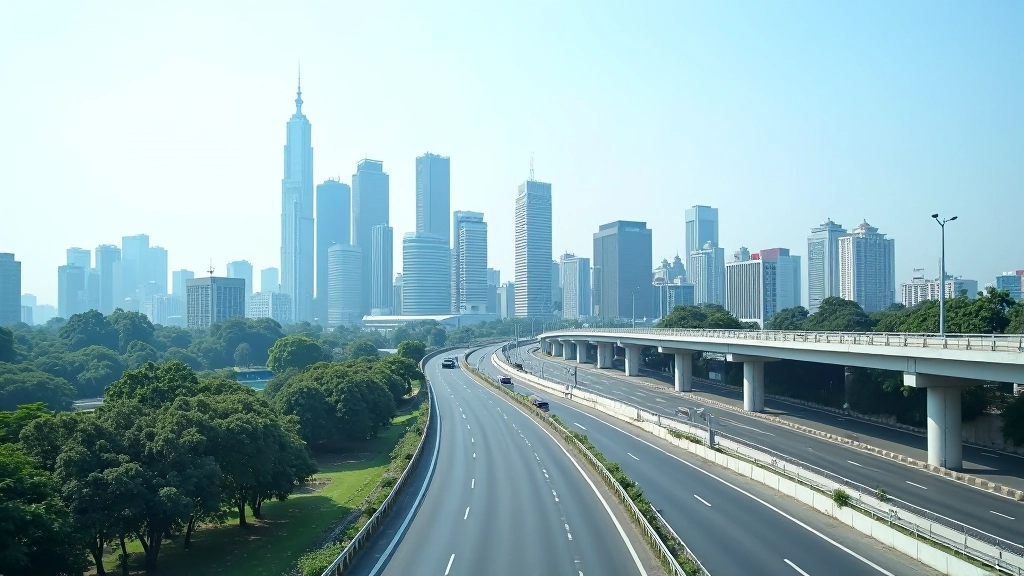
Infrastructure isn’t just about roads and bridges. It’s the backbone that determines how efficiently goods move, how quickly people can reach work, and whether businesses want to invest in your country. When Malaysia invests in infrastructure, it’s not spending money randomly — it’s building the foundation for economic stability.
The real question isn’t whether we can afford to build infrastructure. It’s whether we can afford not to. Aging roads create traffic bottlenecks that cost businesses billions in lost productivity. Outdated ports mean ships wait longer, raising shipping costs. Poor internet coverage in rural areas leaves entire communities disconnected from economic opportunities.
Malaysia’s federal budget allocates significant resources toward infrastructure because the returns are measurable. When the government completes a new highway, commute times drop. When a port is modernised, export volumes increase. These aren’t theoretical benefits — they’re real changes that affect employment, wages, and economic growth.
The Three Types of Infrastructure Investment
When Malaysia’s government talks about infrastructure spending, they’re really talking about three distinct categories, each with different payoff periods and economic effects.
Transport Infrastructure gets the most attention. Highways, railways, ports, and airports. These projects are expensive — a modern highway costs RM 8-12 million per kilometre — but the returns are immediate. Better roads mean faster movement of goods. Faster goods movement means lower logistics costs. Lower costs mean cheaper products for consumers and higher profit margins for businesses. That’s why companies consider transport quality when deciding where to invest.
Then there’s Digital Infrastructure . Broadband networks, data centres, telecommunications systems. Five years ago, digital infrastructure wasn’t considered as critical. Today, it’s essential. Businesses can’t operate without reliable internet. Remote workers can’t work without broadband. Digital infrastructure spending has grown because every sector — manufacturing, services, education, healthcare — depends on it.
Utilities Infrastructure is the unglamorous third type. Water systems, electricity grids, sewage treatment. These don’t make headlines, but without them, nothing works. A city can’t attract industry without reliable electricity. A region can’t grow without clean water. These investments don’t create immediate buzz, but they’re the foundation that allows everything else to function.


The Economic Multiplier Effect
Here’s where infrastructure gets interesting. When the government spends RM 1 billion on a highway project, that’s not just RM 1 billion leaving the economy. It’s a starting point for multiple rounds of spending.
Construction companies hire workers. Those workers buy groceries, rent apartments, and pay for services. Grocery stores need to restock more frequently, so they order from suppliers. Suppliers hire more staff. That’s the multiplier effect — one initial investment ripples through the economy.
Research suggests Malaysia’s infrastructure multiplier sits between 1.3 and 1.8, meaning RM 1 of infrastructure spending generates RM 1.30 to RM 1.80 of economic activity. It’s not magic. It’s straightforward economics — more spending means more income, which means more consumption, which means more business activity.
But there’s a catch. This multiplier effect only works when the economy has spare capacity. During recessions, multipliers are stronger because there’s unused labour and resources. During booms, multipliers weaken because the economy’s already running at full capacity. Malaysia’s government needs to time infrastructure investments carefully — too little and you miss growth opportunities, too much and you fuel inflation.
The Debt Dilemma: When Does Infrastructure Become Unsustainable?
Infrastructure spending requires money. Lots of it. Malaysia’s government can fund infrastructure three ways: taxes, borrowing, or efficiency improvements. Most countries use a combination of all three.
When the government borrows for infrastructure, it’s essentially saying: “We’ll pay for this over 20-30 years as it generates returns.” That’s reasonable if the infrastructure actually generates returns. A toll highway that brings in RM 500 million annually can service its debt. An underused port that handles 10% of capacity can’t.
Malaysia’s public debt has risen to around 70-75% of GDP. That’s not immediately catastrophic — many developed nations operate at 80-100% — but it limits flexibility. When debt is high, you can’t borrow as much for new projects. You’re forced to make harder choices about which infrastructure to build.
The challenge isn’t whether infrastructure spending is good. It’s whether each specific project generates enough economic activity to justify its cost. A poorly planned project that doesn’t increase productivity is just government waste, regardless of whether it’s called “infrastructure.” That’s why project selection matters as much as project execution.
Infrastructure: The Unglamorous Driver of Stability
Infrastructure investment isn’t sexy. You won’t see headlines celebrating a new water treatment facility. But it’s the foundation that determines whether an economy can function efficiently or gets strangled by bottlenecks.
Malaysia’s approach to infrastructure spending reflects a balancing act. Build enough to support growth and maintain competitiveness. Don’t build so much that debt becomes unsustainable. Invest in projects with clear economic benefits, not vanity projects. Focus on maintenance of existing infrastructure, not just building new projects.
The next time you hear about Malaysia’s federal budget allocating billions to infrastructure, remember: that’s not random spending. It’s an investment in economic stability. Better roads mean faster movement of goods. Modern ports mean competitive shipping costs. Reliable electricity means businesses can operate 24/7. Digital networks mean rural areas aren’t left behind.
Economic stability doesn’t come from making grand promises or implementing perfect policies. It comes from having the physical systems in place that allow commerce to flow, people to move, and businesses to operate efficiently. That’s what infrastructure spending is really about.



About This Article
This article is provided for informational and educational purposes only. It’s designed to help you understand how infrastructure investment works in Malaysia’s economic system. The information presented is based on publicly available data and economic principles, but economic circumstances change constantly. Infrastructure projects, government policies, and budget allocations evolve over time. For current information about specific projects or detailed financial analysis, consult official government sources, financial advisors, or economic research institutions. This content isn’t financial advice or investment guidance — it’s educational material to support your understanding of fiscal policy and infrastructure economics.